Table Of Content

Laser hair removal devices (both professional and those few available for at-home use) emit “a laser that corresponds to a single wavelength of light,” says Joie Tavernise, medical esthetician and founder of JTAV Clinical Skincare. "IPL stands for 'intense pulsed light' and uses broad-spectrum visible light." If you're not happy with shaving, tweezing, or waxing to remove unwanted hair, laser hair removal may be an option worth considering. Most people experience hair removal that lasts several months, and it might last for years. But laser hair removal doesn't guarantee permanent hair removal.
Effective Laser Hair Removal for Darker Skin Tones
Hairless results come in speedy timing thanks to this GH Beauty Award winner. A dermatologist is a medical doctor who specializes in treating the skin, hair, and nails. Blisters are rare but are more likely in people with darker complexions. Another rare side effect is the treated hair turning gray or more hair growing around the treated areas. Just before the procedure, the hair that will be undergoing treatment will be trimmed to a few millimeters above the skin surface. Usually, the technician will apply a topical numbing medicine minutes before the procedure to help with the sting of the laser pulses.
Risks of Laser Hair Removal for Darker Skin Tones
Hair grows in different cycles, and the laser is most effective during growth. This is why multiple sessions are often required to achieve optimal results. At-home laser hair removal does work, however, like a lot of things on social media, the reality may be different than how it appears. To help you protect your body and your wallet, we help you determine fact from fiction.
The Best At-Home Laser Hair Removal Devices, According To Experts - British Vogue
The Best At-Home Laser Hair Removal Devices, According To Experts.
Posted: Mon, 22 Apr 2024 11:18:01 GMT [source]
SkinSpirit: What is laser hair removal? Could you describe the process?
A hair follicle has to be in its anagen, or growth, stage for the procedure to work. Follicles are in different stages at different times, so most people need multiple laser treatments. The diode laser is safe to use on darker skin when pulses are delivered more slowly. To prevent burning, more time is allotted between each pulse to allow skin to cool. Newer devices have cooling elements built in that protect skin pigment from overheating.
It's time to put the myth that lasers won't work on dark skin tones to bed. If you have tan to deep skin, you can absolutely get treatments like laser hair removal—you just have to be mindful of a few key things. We spoke with dermatologists Jeanine Downie and Michelle Henry to break down all the things people of color must consider before booking a laser hair removal treatment. Hair color and skin type influence the success of laser hair removal. The basic principle is that the pigment of the hair, but not the pigment of the skin, should absorb the light. The laser should damage only the hair follicle while avoiding damage to the skin.
Be wary of at-home devices.
NDYag lasers can permanently reduce 80-90% of the hair in 6-8 treatments. Other laser types can be less effective and can cause hyper and hypopigmentation. "Lasers use a beam of coherent light that’s absorbed by melanin in the hair follicles, whereas IPL uses a broad spectrum of light wavelengths instead of a concentrated single wavelength of focused light beam," explains Dr. Shirazi.
Laser Hair Removal: Benefits, Side Effects And What To Expect – Forbes Health - Forbes
Laser Hair Removal: Benefits, Side Effects And What To Expect – Forbes Health.
Posted: Fri, 12 Jan 2024 08:00:00 GMT [source]
Iluminage TOUCH Permanent Hair Reduction System
Free to everyone, these materials teach young people about common skin conditions, which can prevent misunderstanding and bullying. Use these professionally produced online infographics, posters, and videos to help others find and prevent skin cancer. They'll watch for several minutes to make sure they used the best settings and that you aren't having a bad reaction. We sat down with prominent dermatologist Dr. Michelle Henry to break down stigmas and myths about skin and scalp care for brown skin. At the consultation, discuss a treatment plan and related costs. Laser hair removal isn't recommended for eyelids, eyebrows or surrounding areas, due to the possibility of severe eye injury.
Overall doctor performance
Depending on the laser or light source used, you and the technician will need to wear appropriate eye protection. They'll also apply a cold gel or use a special cooling device to prodct the outer layers of your skin and help the laser light get into it. If your hair is too long, the procedure will not work as effectively, and your hair and skin will get burned.
Dr. Charles doesn't stop his patients from using topicals on treatment areas, but he doesn’t recommend using retinol or retinoids immediately after getting treated. “That said, it is ok to start your skin-care regimen a couple of days after treatment assuming that all went well with the treatment,” he says. For those on Accutane, Dr. Charles doesn’t recommend getting treatment, as the skin can respond unpredictably. This guide contains all the information I wish I had before committing to laser hair removal with tips from myself and most importantly, from board-certified dermatologists who specialize in working with melanin-rich skin.
When the doctor activates the laser, the laser beam will pass through your skin to the hair follicles. The intense heat from the laser beam damages the hair follicles, which inhibits hair growth. You might feel discomfort, such as a warm pinprick, and you'll likely feel a sensation of cold from the cooling device or gel.
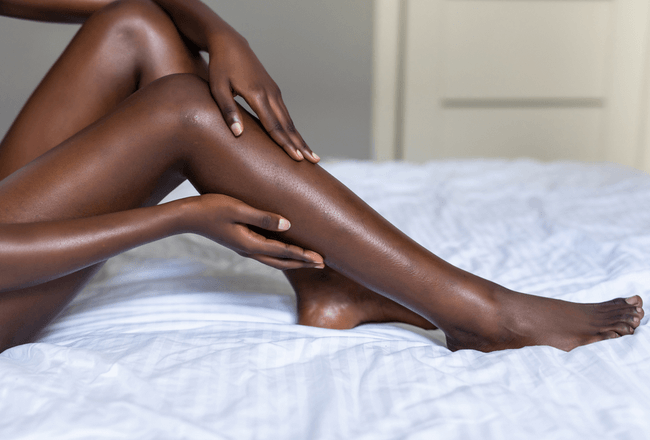
“Generally speaking, you should see a noticeable reduction in hair growth after six to eight sessions of laser hair removal treatments,” Dr. Henry says, but you may require as many as ten. The cost of your treatment will vary depending on the type of treatment you receive, the size of the area covered, and where you receive it. For example, laser hair removal on smaller areas, like the upper lip or underarms, costs around $300.
It has three settings that allows you to customize the treatment to each area, too, but only one precision cap, which testers didn't love. Aral tested the speed mode on her legs and the gentle mode on her face and reported minimal discomfort. “I also find the user guide very informative and well written, which is rather a rarity in the device space,” she said. Both the CDC and the FDA warn against treating this common childhood condition on your own with non-prescription treatments.
It’s an option for darker skin — as long as you take a slow and steady approach. Darker skin requires more than the recommended three to five treatments to see results (count on more like five to eight). Other dermatologists, like Rahman, use a 1550-nanometer fractional laser to tackle stretch marks over six-week intervals for darker-skinned patients and monthly for lighter-skinned patients. “No matter how new and improved a laser is, it’s always safest to deliver energy to darker skin at slower, less traumatic speeds,” says Joshua Zeichner, an assistant professor of dermatology at the Icahn School of Medicine. While there are still advances to be made, it’s no longer impossible for those with darker skin tones to enjoy the benefits of laser hair removal.
You can always ask our doctors about using topical anesthetic during your laser hair removal consultation. Before the treatment session, we apply a numbing cream to the treatment area to protect your skin and minimize discomfort during the treatment. The laser device is then activated to pass through your skin, heat the hair bulb, and inhibit hair growth in the area. Tavernise advises that the most important precaution to take is ensuring that your skin tone will react well to the treatment. The main difference between professional and at-home tools is the intensity of their light sources and the nature of their light sources.
She works with the industry’s top dermatologists and hair removal experts to assess new laser hair removal brands and technologies. Both Downie and Henry both encourage patients to go to an experiences dermatologist who has used lasers to remove hair from dark skin. "[It's] an advanced procedure and should only be done by a dermatologist with significant experience," says Henry.
Your skin might be red, swollen and a little painful after laser hair removal. Don’t expose the treated area to natural or artificial sunlight. You might need maintenance laser treatments for long-term hair reduction. If you have a skin reaction immediately after laser hair removal, the doctor might apply a steroid cream to the affected area.


No comments:
Post a Comment